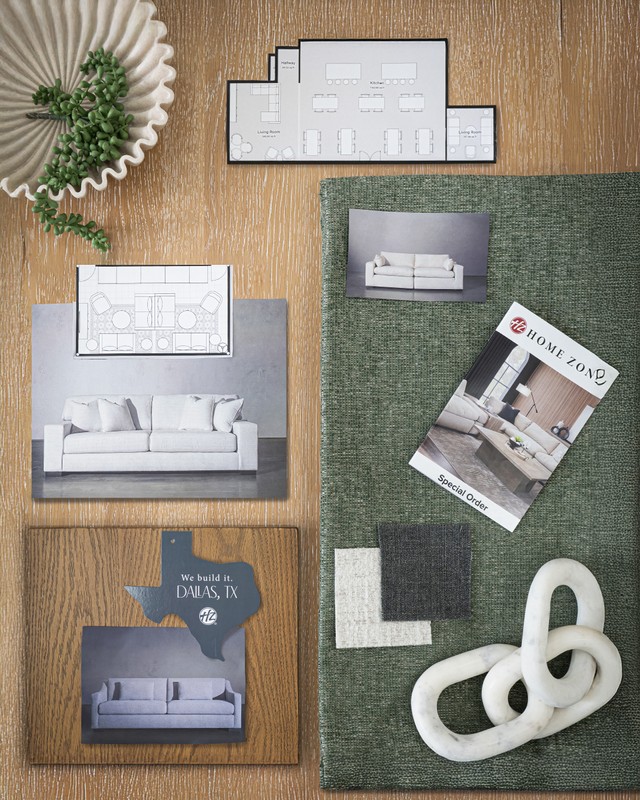
Stunning Dallas Product Photography: Tips for Captivating Shots
Capture the essence of your products with stunning Dallas product photography. Unlock tips for captivating shots that elevate your brand and engage your audience.
Importance of High-Quality Product Images
In the bustling Dallas marketplace, high-quality product images can significantly impact your business's success. Consumers are inundated with visual content daily, and your product images need to stand out to capture their attention. High-quality images convey professionalism, build trust, and can effectively communicate the value of your products. When potential customers see clear, detailed, and visually appealing images, they are more likely to perceive your brand as credible and trustworthy.
Moreover, high-quality product images can significantly influence purchasing decisions. Online shopping lacks the tactile experience of brick-and-mortar stores, making visuals the primary way customers interact with products. Clear, high-resolution images allow customers to examine products closely, reducing uncertainty and increasing the likelihood of a purchase. In essence, great product photography can bridge the gap between virtual and physical shopping experiences.
In addition to building trust and influencing purchase decisions, high-quality images are crucial to your marketing efforts. Whether it's for social media, your website, or advertising campaigns, compelling visuals can drive engagement and conversions. In a city like Dallas, where competition is fierce, investing in top-notch product photography can give you a competitive edge and help you stand out in a crowded market.
Essential Equipment for Product Photography
To achieve stunning product photography, having the right equipment is essential. The foundation of any good photo is a high-quality camera. While smartphones have made significant advancements in camera technology, a dedicated DSLR or mirrorless camera offers greater control and superior image quality. Look for a camera with a high resolution and the ability to shoot in RAW format for maximum flexibility in post-processing.
Lenses are another critical component. A macro lens is excellent for capturing fine details, while a standard prime lens can provide sharp, high-quality images with a natural perspective. Depending on the size of your products, you might also consider a zoom lens for versatility. The right lens depends on your specific needs, but investing in quality optics can make a significant difference in your photos.
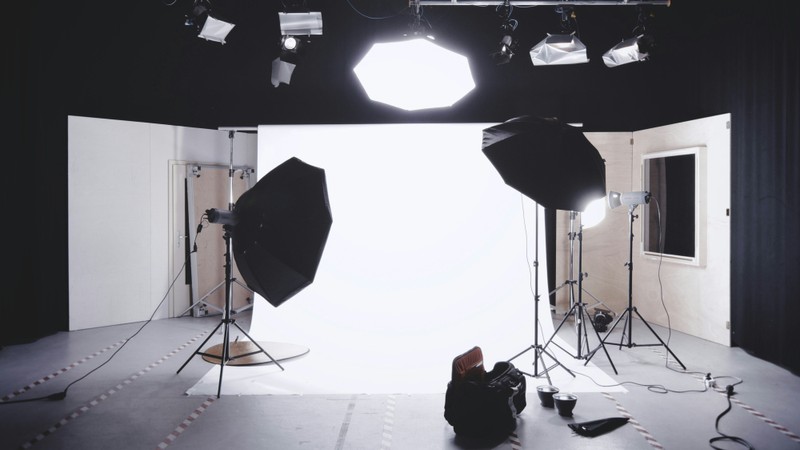
Lighting equipment is equally important. Natural light can be fantastic, but it's not always reliable or controllable. Investing in studio lights, softboxes, and reflectors can help you achieve consistent and professional lighting. Additionally, a tripod is essential for keeping your camera steady and ensuring sharp images. Other useful accessories include a remote shutter release, a light tent for small products, and color calibration tools to ensure accurate color reproduction.
Understanding Lighting Techniques
Lighting is one of the most critical aspects of product photography. It can dramatically affect the mood, texture, and overall quality of your images. Understanding different lighting techniques can help you create stunning and captivating product photos. One fundamental concept is the distinction between soft and hard light. Soft light, which is diffused and even, reduces harsh shadows and highlights, making it ideal for most product photography. On the other hand, hard light, which is direct and focused, can emphasize textures and create dramatic effects.
One of the most effective lighting setups is the three-point lighting system, which includes a key light, fill light, and backlight. The key light is the primary source of illumination and should be positioned at an angle to create depth and dimension. The fill light is placed opposite the key light to soften shadows and ensure even lighting. The backlight, or rim light, is placed behind the product to separate it from the background and add a professional touch.
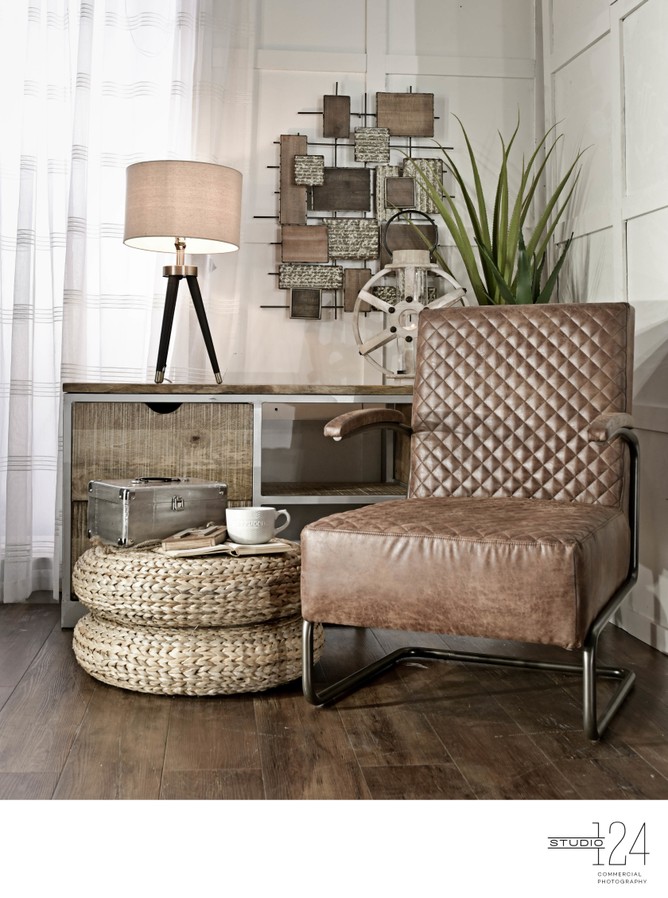
Natural light can also be used effectively, especially for lifestyle shots or when a softer, more organic look is desired. Dallas furniture Photography offers a 6500 square foot home for lifestyle natural light photography, which blends natural light in a modern home setting.
Choosing the Right Background for Your Shots
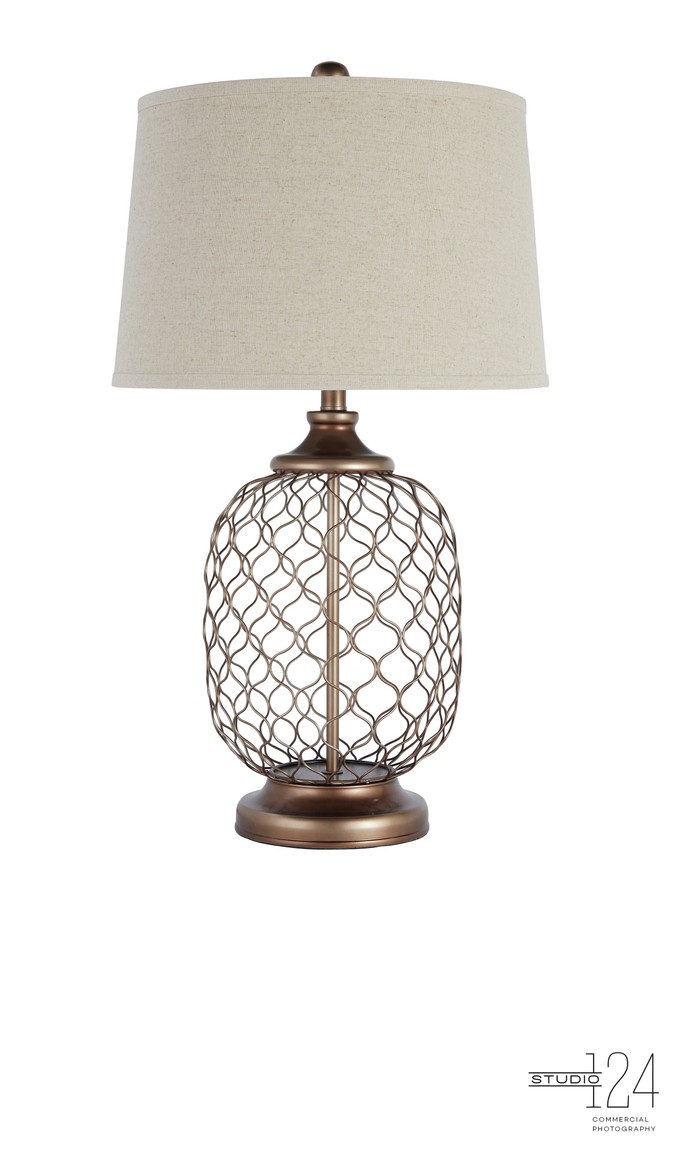
The background of your product photos is more than just a backdrop; it plays a crucial role in highlighting your product and setting the scene. A well-chosen background can complement your product, enhance its features, and create a cohesive visual narrative. For many product shots, a simple, clean background is ideal. White or light-colored backgrounds are popular because they create a neutral canvas that makes products stand out. They also reflect light well, ensuring even illumination.
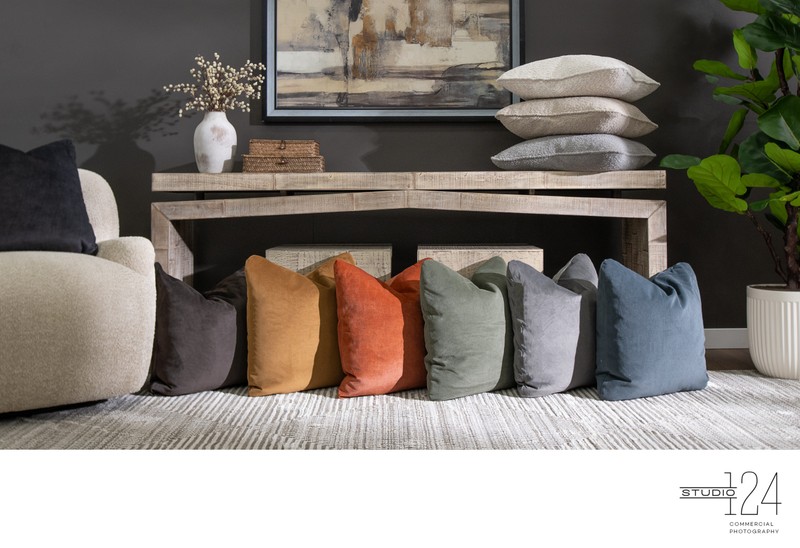
However, the choice of background should be guided by the product's nature and the brand's aesthetic. For luxury or high-end products, darker backgrounds can convey sophistication and elegance. Textured backgrounds, like wood, fabric, or marble, can add depth and interest, making the images more engaging. It's essential to ensure the background doesn't overwhelm the product; rather, it enhances it.
Lifestyle backgrounds can also be highly effective, especially for products that benefit from contextual presentation. For example, placing kitchenware in a kitchen setting or showcasing fashion items in a stylish environment can help customers envision how they might use the product in their own lives. Consistency is key; using similar backgrounds across your product images can create a cohesive look that strengthens your brand identity.
Composition Tips for Captivating Product Photography
Composition is the art of arranging elements within your frame to create a visually pleasing and engaging image. One of the fundamental principles of composition is the rule of thirds. By dividing your frame into a grid of nine equal parts, with two horizontal and two vertical lines, you can place your product along these lines or at their intersections to create a balanced and dynamic composition. This technique can help draw the viewer's eye to the most important elements of your image.
Leading lines are another powerful compositional tool. These are lines within the image that guide the viewer's eye towards the product. They can be actual lines, like the edges of a table or the folds of fabric, or implied lines, like the direction of light or the gaze of a model. Using leading lines can create a sense of movement and focus, making the product the star of the shot.
Negative space, or the empty space around your product, is also crucial. It allows the product to "breathe" and draws attention to it by providing contrast. Too much clutter can distract from the product, so it's essential to strike a balance between negative space and other elements in the frame. Additionally, experimenting with different angles and perspectives can add interest and variety to your product images, making them more engaging and memorable.
Post-Processing Techniques to Enhance Your Images
Post-processing is an integral part of product photography, allowing you to refine and enhance your images for a polished, professional look. One of the first steps in post-processing is adjusting the exposure and contrast. Ensuring your image is properly exposed can highlight details and make the product more appealing. Increasing contrast can add depth and make the product stand out, but it's crucial not to overdo it, as it can result in loss of detail.
Color correction is another vital post-processing technique. Accurate color representation is essential for product photography, as customers rely on images to understand what they are purchasing. Adjusting white balance, saturation, and hue can ensure colors are true-to-life and consistent across all your images. Using color calibration tools and software can help achieve precise color correction.
Retouching is also crucial for removing imperfections and enhancing the overall look of your product images. This can include removing dust or scratches, smoothing surfaces, and enhancing textures. Advanced techniques, such as frequency separation and dodge-and-burn, can help achieve a high level of detail and realism. Finally, consider sharpening your images to enhance clarity and detail, ensuring that your product looks crisp and professional.
Common Mistakes to Avoid in Product Photography
Even with the best equipment and techniques, common mistakes can undermine the quality of your product photography. One frequent error is poor lighting. Inadequate or harsh lighting can create unflattering shadows, overexposed highlights, and a lack of detail. It's essential to invest time in learning about lighting techniques and experimenting with different setups to find what works best for your products.
Another common mistake is neglecting the background. A cluttered or inappropriate background can distract from the product and make the image look unprofessional. Always choose a background that complements your product and enhances its features. Additionally, failing to consider the composition can result in unbalanced, uninteresting images. Applying compositional techniques, such as the rule of thirds and leading lines, can help create engaging, visually appealing photos.
Post-processing mistakes can also affect the quality of your images. Over-editing, such as excessive sharpening or saturation, can make the image look unnatural and unappealing. It's crucial to aim for a polished but realistic look. Lastly, consistency is key in product photography. Inconsistent lighting, backgrounds, and editing styles can create a disjointed and unprofessional look across your product images. Strive for a cohesive visual style that reflects your brand's identity.
How to Showcase Products for Online Sales
Showcasing products effectively for online sales involves more than just taking great photos; it's about presenting them in a way that appeals to your target audience and drives conversions. One essential aspect is providing multiple images of each product. Customers want to see the product from different angles and in various contexts to get a complete understanding of what they are purchasing. Include close-ups to highlight details and lifestyle shots to show the product in use.
Consistency in your product images is also crucial. Use consistent lighting, backgrounds, and editing styles to create a cohesive, professional look across your online store. This consistency helps build brand recognition and trust. Additionally, consider the user experience on your website. High-resolution images that load quickly and can be zoomed in on are essential for providing a seamless shopping experience.
Descriptions and specifications should accompany your images to provide all the necessary information customers need to make informed decisions. Combining compelling visuals with detailed, accurate descriptions can significantly enhance the shopping experience and increase the likelihood of purchase. In the competitive Dallas market, effectively showcasing your products online can set you apart and drive sales.
Thoughts on Product Photography in Dallas
Stunning product photography is a powerful tool for enhancing your brand and engaging your audience in Dallas's competitive market. High-quality images build trust, influence purchasing decisions, and drive marketing efforts. Investing in essential equipment, understanding lighting techniques, and choosing the right backgrounds are foundational steps in creating captivating product photos. Applying compositional principles and post-processing techniques can further enhance your images, ensuring they are polished and professional.
Avoiding common mistakes and effectively showcasing your products for online sales are also crucial to success. Consistency in your visual style, providing multiple images, and combining them with detailed descriptions can create a seamless and appealing shopping experience for your customers. In a city like Dallas, where the marketplace is bustling and competition is fierce, stunning product photography can give you the edge you need to stand out.
At Dallas Furniture Photography, we can elevate your product photography and create captivating shots that resonate with your audience. We are seasoned Master photographers with expertise in product photography. We embrace the creative process and let your images tell your brand's story and showcase your products in the most compelling way possible.